Ancient History Font: A Distinctive Display Typeface for the Web
A Typeface Packed with Personality
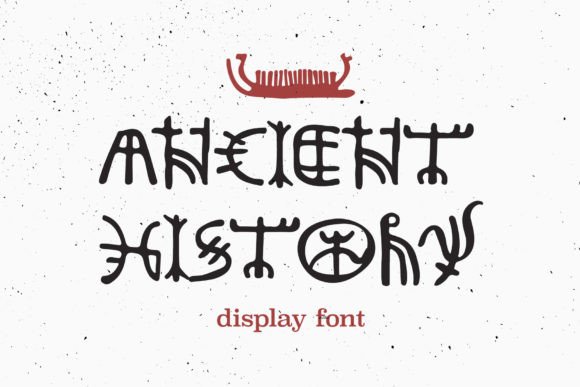
Every web designer knows the power of a statement font. Ancient History is exactly that, a display font that injects whimsy and historical character into digital projects without sacrificing visual clarity. It avoids the stiff formality of a traditional serif font while offering far more personality than a neutral sans serif font. The letterforms carry a sense of storytelling, as if they belong on an old map or the opening page of a legendary tale, making them ideal for creative brand identities, boutique online stores, and editorial‑style layouts.
The visual appeal of Ancient History comes from its hand‑drawn authenticity and irregular rhythm. Unlike uniform modern typography, this typeface feels organic and deliberate. Its quirks help break the monotony of clean web grids, giving landing pages and hero sections a focal point that holds a visitor’s attention. When used with restraint, Ancient History can communicate craftsmanship, heritage, and imagination directly through its glyphs.
How Ancient History Elevates Digital Layouts
For UI designers, headers and hero sections are high‑value real estate. Ancient History excels in these areas because it creates immediate mood. A short phrase set in this display font can transform a SaaS landing page into an immersive narrative experience. For example, a course creator selling a historical writing workshop might use Ancient History for the hero headline, paired with an old‑paper texture background. The font alone sets expectations before a single body paragraph is read.
Digital product creators working on brand kits, social media graphics, or digital ads will appreciate the font’s ability to anchor a whimsical or historical theme. A single word set in Ancient History on a banner can evoke an entire era. Because the font carries so much atmospheric weight, it reduces the need for excessive illustration or complex visual effects, keeping pages lighter and faster.
Brand Personality and Visual Storytelling
Consistent online identity depends on typographic choices that align with brand tone. Ancient History is not a neutral tool; it makes a deliberate statement. This is exactly what makes it valuable for brand identity work, especially for businesses that want to appear established yet approachable. A boutique online store selling artisan goods, a coaching website with a vintage‑meets‑modern aesthetic, or a creative portfolio site for a calligrapher can all use this display font to weave a narrative thread through the interface.
When you apply Ancient History to navigation titles, section headings, or even logo text, you infuse the brand with a sense of legacy. However, its decorative nature means it works best as an accent rather than a workhorse. Use it on hero titles, short call‑to‑action phrases, or stylized dividers. Overuse can quickly dilute its charm and hurt readability.
Hero Titles and Main Headings
Large display sizes let the intricate details of Ancient History breathe. Place a 3‑ to 5‑word phrase above the fold, and the font will do much of the emotional heavy lifting. It captures scanning eyes instantly, which improves visual hierarchy and encourages scrolling. A crisp sans serif font for body copy then carries the user through the remaining content with zero friction.
Online Shop Banners and Product Landing Pages
E‑commerce sites can feel sterile without personality. Adding Ancient History to seasonal banners, collection titles, or discount announcement graphics introduces warmth and character. A product landing page for a limited‑edition item gains perceived value when the title looks handcrafted. Pair this typeface with clean photography and a restrained color palette for a sophisticated, conversion‑focused layout.
Blog Graphics and Digital Brand Kits
Content creators and marketers need visual consistency across platforms. Using Ancient History in blog header images, Pinterest graphics, or email headers creates a recognizable signature style. Downloadable brand kits, media kit templates, and presentation decks can all leverage this font to maintain a cohesive identity. When exported as a creative font asset, it becomes a cornerstone of a larger design system.
Course Pages and Coaching Websites
For service‑based businesses, trust and authenticity drive conversions. Ancient History helps tell a founder’s story or explain a transformation journey in section dividers and testimonial pull‑quotes. A coaching site might use it for a “From Struggle to Strength” heading, visually signaling the personal, narrative‑driven nature of the program.
Readability and Mobile Visibility
Decorative display fonts require careful handling on small screens. Ancient History is best reserved for larger text elements because highly stylized letterforms can blur or lose recognition at tiny sizes. On mobile devices, consider using it only for the primary hero title and keeping secondary headings in a simpler sans serif font. This maintains the font’s evocative presence while protecting legibility for users scrolling on a phone.
Contrast also plays a critical role. On light backgrounds, Ancient History appears airy and antique‑feeling. On dark backgrounds or image overlays, it gains dramatic, almost mysterious energy. Always test readability by viewing the live page at 375px wide. If the font is supplied as a webfont, ensure the file sizes are optimized so loading times don’t hurt user experience. A good rule is to reserve this typeface for short, impactful text blocks that don’t change dynamically based on user input.
Perfect Partners: Font Pairing for Ancient History
Strong typography systems are built on contrast. Ancient History, with its irregular baseline and decorative spirit, pairs beautifully with clean, neutral typefaces that let it take center stage. For web design, match it with a geometric sans serif font like Inter, Manrope, or Open Sans. The structured simplicity of a sans serif body copy font grounds the layout, while Ancient History adds character without chaos.
If you’re pursuing an editorial digital identity, a classic serif font like Cormorant Garamond or Source Serif can sit beneath Ancient History in a heading stack. The combination creates a refined, almost literary atmosphere suitable for online magazines, historical archives, or museum‑style websites. However, avoid pairing two highly decorative fonts. The goal is harmony, not competition. Check the font’s included styles; some display fonts offer alternates, ligatures, or stylistic sets. These can add variety to the same wordmark, creating a custom look without switching typefaces.
- Hero headline: Ancient History – 48–72px
- Subheading: A clean sans serif – 18–24px
- Body: A readable serif or sans – 16px, generous line-height
- Accents: Small labels or tags in uppercase sans serif for hierarchy
Testing font pairs across desktop and mobile ensures that the relationship between the display font and the supporting fonts holds steady at every breakpoint.
Technical Flexibility and File Considerations
When selecting a premium font for a digital project, designers look beyond aesthetics. Confirm which file formats are included in your download. A standard package of Ancient History may contain OTF and TTF files for desktop use, while the webfont version (often supplied as WOFF or WOFF2) allows direct embedding in CSS via @font‑face. This is essential for landing pages, online stores, and any site where live text must match the design precisely rather than being flattened into an image.
Some versions of display typefaces also come with multilingual support, including extended Latin characters, diacritics, and punctuation suited to a global audience. If you plan to localize a website, verify that Ancient History covers the necessary character sets for your target languages. Additionally, check for stylistic alternates or swashes. A single alternate glyph can be used to create a unique logo mark or to emphasize a specific letter in a blog title, giving even more creative control without additional software.
Licensing for Commercial Digital Projects
Understanding font licensing protects both your business and your clients. Ancient History is a creative asset, and using it in commercial web design, client deliverables, online stores, digital templates, or brand assets requires the correct license. A standard desktop license usually permits use in static designs and print materials, but embedding the font on a website via @font‑face typically demands a webfont license. Read the End User License Agreement carefully.
If you are creating templates for sale, designing social media graphics for multiple brands, or building a product‑for‑sale website, ensure the license covers those activities. Extended commercial licenses may be necessary for SaaS applications or for including the font in a digital product you distribute. Clarifying usage rights upfront prevents legal issues and keeps your workflow professional.
Building a Cohesive Identity with Ancient History
Consistency across a website, landing page, and promotional graphics reinforces brand trust. Using Ancient History as a unifying typographic element ties together disparate parts of a user journey. A visitor might see the font first in a Pinterest graphic, then encounter the same recognizable lettering on the website hero section and finally on a checkout thank‑you page. This repetition builds a memory hook, making the brand feel intentional and well‑crafted.
For UI designers working on app screens, Ancient History can be adapted for splash screens, onboarding illustrations, or badge elements. Because it reads beautifully as a decorative accent, it injects personality into otherwise functional interfaces without compromising usability. A single custom‑styled word set in this font can replace a generic icon, making the interface feel more human.
A thoughtful display font shapes how users feel about a digital product before they reason through a single feature list. Ancient History delivers that layer of emotional connection while offering enough versatility to become a staple across your design toolkit. Its distinct character simplifies the job of creating atmosphere, strengthens visual hierarchy, and gives brands a voice that feels both nostalgic and fresh. For any project that needs to tell a story visually, this typeface will do more than decorate a page; it will anchor the entire experience.